
Do Zimbabweans Benefit from their Minerals? Compare with Abu Dhabi
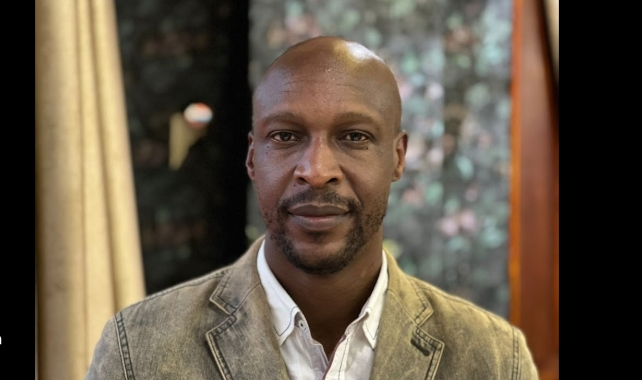
By Rutendo Matinyarare
We often hear high-ranking government officials like George Charamba argue that foreign investors in Zimbabwe pay for the minerals they take from the country, but is this true?
Today’s gold price is $5100 per ounce, and the question is: will the Reserve Bank of Zimbabwe receive $5100 for someone to take that gold out of the country? No, it wont. So how much will Zimbabwe receive?
Yes, the example is a bit far-fetched, but I am going somewhere here, so stick with me.
Zimbabwean Royalties And Taxes On Minerals.
What the miner pays to the Zimbabwean government, which holds resources on our behalf, is a royalty of 10% of the value of gold or precious stones, 0.875% commission to the RBZ, plus a 2% levy on the gross value of the export.
For platinum it’s 2% royalty, 0.875% commission and a 2% levy, but if the platinum is a matte or processed (crushed), the royalty reduces to as low as zero. Right now there are calls for the 10% royalty on gold and precious stones to be reduced.
So basically Zimbabwe gets at most 13% value of minerals that get taken out of the country and the rest remains with miner. This is exacerbated by the fact that most foreign miners in the country do not have local shareholders, so they don’t leave dividends, they don’t bank in our banks, and their service providers, in the case of China, are also foreign, so we lose out on the multiplier.
Oil Taxes And Royalties ON Oil In Abu Dhabi.
Now let’s compare this with Abu Dhabi, which has a trillion-dollar sovereign wealth fund built off oil royalties. According to the constitution of the United Arab Emirates, all resources in the nation belong to the people, and every emirate reserves the right to frame its own laws around how the resources will be extracted and taxed to benefit the locals.
As a starter, Abu Dhabi laws: 1/1988 and 4/1976, state that all licences to extract oil and gas in the emirate (province) are given to the government-owned entity: Abu Dhabi National Oil Company (ADNOC). With this, any international oil company seeking to drill and extract oil in Abu Dhabi must partner with this state entity that holds the rights to extract oil in the emirate.
By law, ADNOC must hold majority shareholding, or over 51%, of any joint venture it has with an international partner. This is a clear law made to ensure that foreigners do not benefit more than locals from local resources, because the resources belong to locals by law.
Thereafter, international partners in the oil extraction industry must pay corporate tax of up to 55%, and 9% royalties are also levied on all crude oil exports. These laws are similar to those in Dubai and other emirates which empower UAE citizens as mandated by their constitution.
So, unlike Zimbabwe where we scrapped indigenisation, hence foreigners can just come and mine our resources without locals, in Abu Dhabi all extraction in their emirate must be overseen by locals or the owners.
How Zimbabwe Can Benefit More From Its Minerals.
Now, when you look at the model used by the UAE, my question is: are we as Zimbabweans being paid fair value for our minerals by foreign companies like Implats, the Chinese, British or Americans when we receive between 0% to 13% while locals are not shareholders to oversee books and aren’t servicing the foreign miner?
Should we not create a Zimbabwe Minerals Company, or have the Mutapa Fund or locals controlling majority shares in extractive industries, so that the bulk of value is left in Zimbabwe, as we see with Abu Dhabi? Wouldn’t the nation and our sovereign fund benefit more this way?
If there is a lesson to take from the Abu Dhabi case study, the Zimbabwean government should begin exploration to quantify our minerals and determine where they are. From there, they should get licences for all the most valuable claims and the entire Great Dyke. Then anyone who wants to mine there must partner with the state entity. It’s either this, or we as Zimbabweans will continue to be exploited perpetually.
Rutendo Matinyarare is Chairman of ZASM.