
Why Zimbabwe’s Constitutional Debate Matters for African Democracy
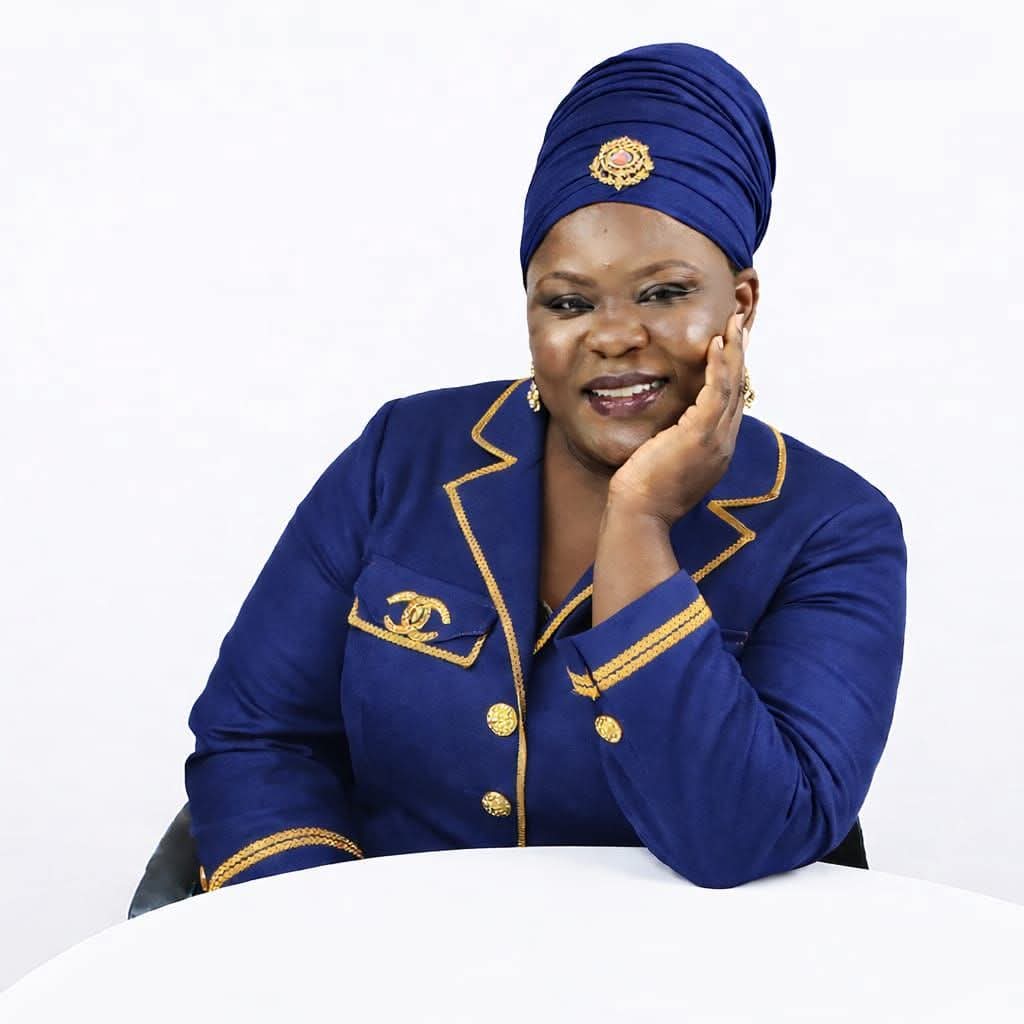
By Linda Tsungirirai Masarira
www.harareoponion.co.zw
Across Africa, constitutional reform has become one of the defining political questions of the 21st century. From Kenya to South Africa, from Senegal to Ghana, debates about institutional design continue to shape how democracies evolve on the continent.
Zimbabwe’s current debate over Constitutional Amendment Bill No. 3 must therefore be understood not simply as a domestic political dispute, but as part of a broader continental conversation about governance, accountability and institutional resilience.
Like many African states, Zimbabwe inherited constitutional frameworks shaped by colonial legacies, liberation struggles and post-independence political compromises. Over time, these frameworks inevitably require reform as societies evolve and new governance challenges emerge.
The introduction of Amendment Bill No. 3 has sparked intense debate within Zimbabwe. The proposals include extending presidential and parliamentary terms from five to seven years, electing the President through Parliament, abolishing the Gender Commission, transferring certain electoral responsibilities from the Zimbabwe Electoral Commission to the Registrar-General’s Office, and establishing a Delimitation Commission.
Some of these proposals deserve thoughtful consideration. Others raise legitimate concerns about democratic accountability.
Across Africa, many countries operate under parliamentary systems where the President is elected by Parliament rather than through direct national elections. South Africa and Botswana provide regional examples of such governance models. These systems reduce personality-driven politics and strengthen the role of institutions in governance.
However, such arrangements function effectively only when parliamentary representation accurately reflects the electorate. Zimbabwe currently uses a First-Past-The-Post electoral system, which often produces disproportionate outcomes. Introducing proportional representation will therefore strengthen democratic legitimacy by ensuring broader political representation.
At the same time, proposals to abolish institutions that promote gender equality raise concerns about inclusivity. Across Africa, women remain underrepresented in political leadership despite progress in some countries such as Rwanda and Namibia. Strengthening gender institutions remains essential to building inclusive democracies.
Similarly, the independence of electoral management bodies remains a central pillar of democratic credibility across the continent.
Any reforms that weaken electoral institutions risk undermining public confidence in democratic processes.
Zimbabwe’s constitutional debate highlights a broader challenge facing many African democracies: how to balance political stability with democratic accountability.
The goal of constitutional reform should never be to consolidate political power but to design institutions that promote effective governance, citizen participation and long-term development.
If approached thoughtfully, constitutional reform can strengthen democratic institutions across Africa. If driven by political mistrust and short-term interests, however, it risks deepening divisions and weakening democratic progress.
Zimbabwe’s constitutional moment therefore carries lessons not only for its own citizens, but for the broader African democratic project.
Linda Tsungirirai Masarira is the President of the Labour Economists and Afrikan Democrats (LEAD) and a Zimbabwean political leader, labour rights advocate and policy commentator. She writes on governance, constitutional reform, economic justice and democratic development in Africa.